
The World Alliance for Breastfeeding Action (WABA) is a global network of individuals
& organisations concerned with the protection, promotion & support of breastfeeding worldwide.
WABA action is based on the Innocenti Declaration, the Ten Links for Nurturing the Future and the
Global Strategy for Infant & Young Child Feeding. WABA is in consultative status with UNICEF & an NGO
in Special Consultative Status with the Economic and Social Council of the United Nations (ECOSOC).
& organisations concerned with the protection, promotion & support of breastfeeding worldwide.
WABA action is based on the Innocenti Declaration, the Ten Links for Nurturing the Future and the
Global Strategy for Infant & Young Child Feeding. WABA is in consultative status with UNICEF & an NGO
in Special Consultative Status with the Economic and Social Council of the United Nations (ECOSOC).
 Complementary Feeding & Foods
 Infant Feeding in Emergencies
 BFHI
BFHI
 Women and Work
 Mother, Father and Community Support
 Gender and Men
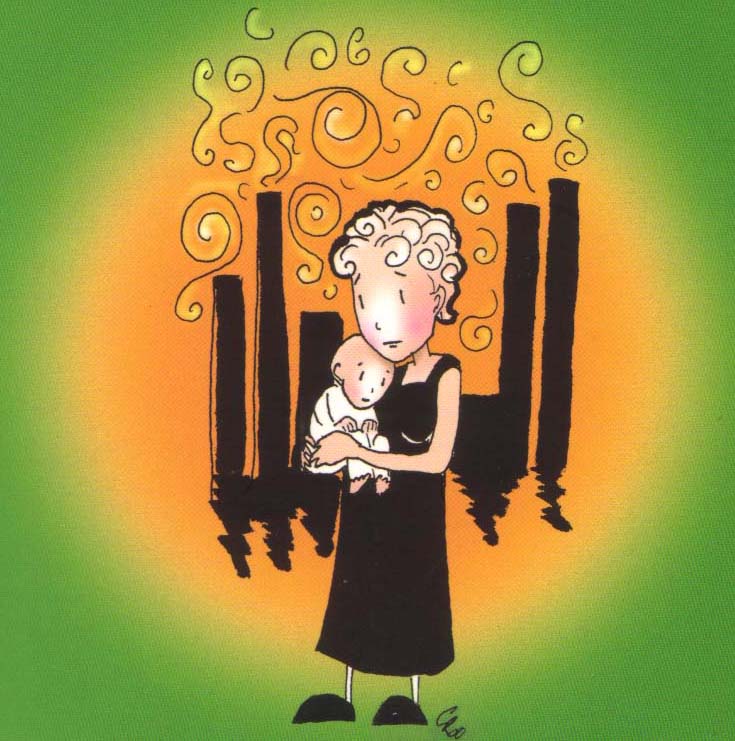 Breastfeeding and Environment
 HIV & Infant Feeding

World Alliance for Breastfeeding Action
PO Box 1200, 10850 Penang, Malaysia | Tel: 604-6584816 | Fax: 604-6572655 | E-mail: waba@waba.org.my | http://www.waba.org.my